Get Gravel Pad Installation
Local contractors can install gravel pads to provide stable, level surfaces for driveways, sheds, or equipment, preventing mud, erosion, and drainage issues.
If you're considering a gravel pad installation for your property, you're in the right place to explore your options. Properly installed gravel pads can provide a stable foundation for various projects, such as building a shed, creating a driveway, or improving drainage around your property. Property owners in the area often turn to experienced local contractors to ensure the job is done efficiently and to standard, making it easier to plan your project with confidence. Keep reading to learn more about how local service providers can help you achieve a durable and functional gravel pad tailored to your needs.
Comparing local contractors for gravel pad installation can help you find the right fit for your project. Many property owners appreciate working with experienced professionals who understand the specific requirements of the local area, including soil conditions and common site challenges. By exploring your options, you can gather information about the services available and select a provider that aligns with your project goals. Continue to discover how local experts can assist in creating a solid foundation for your property improvements.
- Residential Driveways - homeowners may need gravel pad installation to prepare a stable base for new or existing driveways.
- Construction Sites - builders and contractors often require gravel pads to create level, durable surfaces for heavy equipment and material storage.
- Agricultural Projects - farmers might seek gravel pads to support equipment, storage sheds, or livestock facilities on uneven terrain.
- Commercial Parking Areas - business owners may need gravel pads to establish or improve parking lots before paving or surfacing.
- Land Clearing and Development - developers often require gravel pads as foundational work for future structures or site improvements.
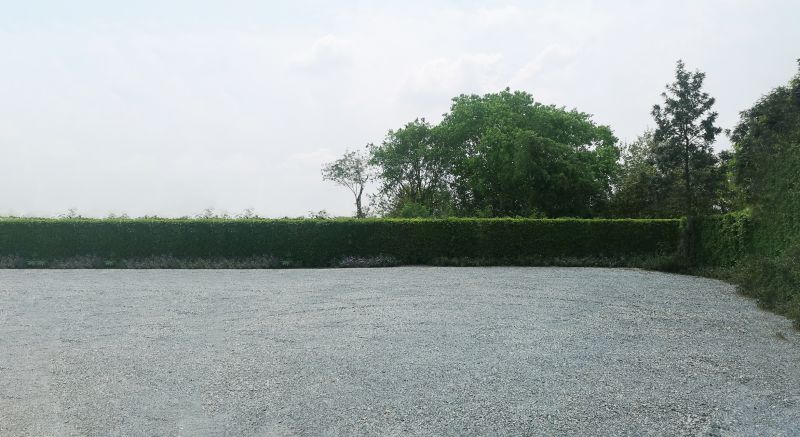
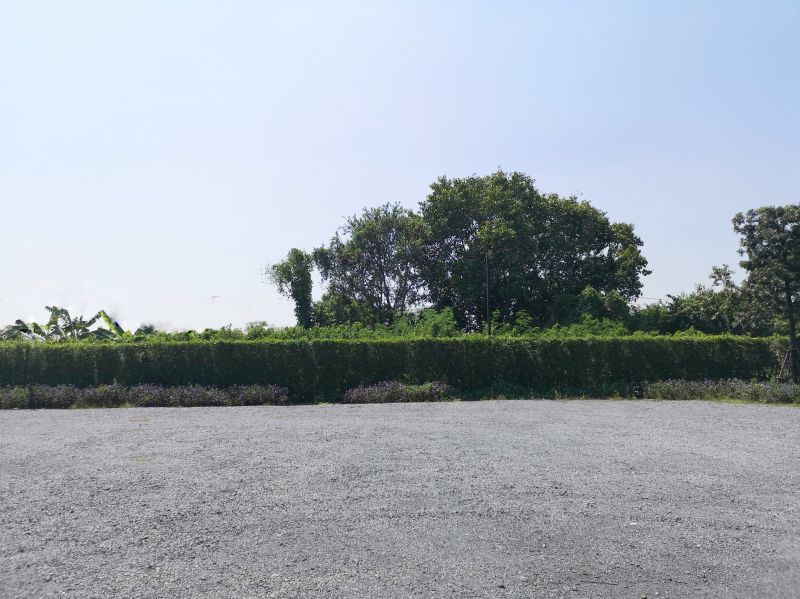
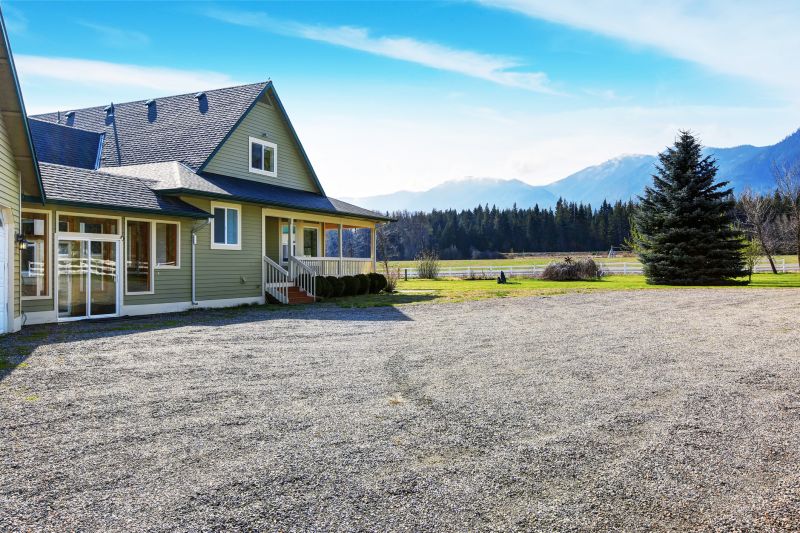
Gravel pad installation involves preparing and laying down a stable, level base made of gravel, typically to support structures such as sheds, RVs, or outdoor equipment. The process includes clearing the area, excavating any existing soil or debris, and spreading gravel to create a solid foundation. Proper installation ensures the surface is even and well-draining, which helps prevent shifting, sinking, or water pooling that could damage the structure or cause safety issues over time.
This service is particularly useful for resolving problems related to unstable or uneven ground that can lead to structural instability or drainage issues. Without a proper gravel pad, heavy equipment or structures may settle unevenly, leading to potential damage or safety hazards. Additionally, a gravel base can help mitigate mud and water accumulation, especially in areas prone to heavy rain or poor drainage, making outdoor spaces cleaner and safer to use.
Properties that typically utilize gravel pad installation include residential homes with backyard sheds, garages, or outdoor kitchens. It is also common for rural properties, farms, or properties with large equipment, such as RVs, boats, or trailers, that require a stable, level surface for parking or storage. Commercial properties with outdoor storage needs or areas where heavy machinery is used may also benefit from having a gravel pad to improve accessibility and protect the underlying ground.
Professionals who handle gravel pad installation can assess the specific needs of each property and recommend the appropriate thickness and gravel type for optimal performance. They ensure the installation is durable and properly graded to promote drainage and stability. Contacting local contractors can provide options for quality workmanship, whether the goal is to create a reliable foundation for a new structure or to improve an existing outdoor area.
The overview below groups typical Gravel Pad Installation projects into broad ranges so you can see how smaller, mid-sized, and larger jobs often compare in your area.
In many markets, a large share of routine jobs stays in the lower and middle ranges, while only a smaller percentage of projects moves into the highest bands when the work is more complex or site conditions are harder than average.
Smaller Gravel Pads - Many routine gravel pad installations for small projects typically range from $250 to $600. Most local contractors handle these efficiently, making them a common choice for basic needs. Larger or more complex jobs may cost more, depending on site conditions.
Medium-Size Projects - Projects of moderate size, such as those for RVs or small equipment, usually fall between $600 and $1,500. These are often the most common projects, with many jobs completed within this range. Variations depend on site access and material choices.
Large or Custom Gravel Pads - Larger, more customized gravel pad installations can range from $1,500 to $3,000 or more. Fewer projects fall into this tier, typically involving additional site prep or special specifications. Costs can increase with project complexity.
Full Replacement or Complex Installations - Full replacement jobs or highly complex gravel pad projects can reach $3,000 to $5,000+ in some cases. These tend to be less common and depend heavily on site size, accessibility, and specific requirements. Local service providers can provide detailed estimates for such projects.
Actual totals will depend on details like access to the work area, the scope of the project, and the materials selected, so use these as general starting points rather than exact figures.
Driveway and Parking Pad Construction - Local contractors who install gravel pads often have experience building driveways and parking areas for residential and commercial properties.
Foundation Preparation for Sheds or Outbuildings - Installing a stable gravel base is a key step in preparing foundations for sheds, garages, or other outdoor structures.
Land Clearing and Site Grading - Professionals skilled in site preparation can handle grading and leveling tasks that are essential before gravel pad installation.
Deck and Patio Base Installation - Setting up gravel bases for decks and patios requires similar planning and groundwork as gravel pad projects.
Utility Trenches and Underground Line Installation - Digging trenches for utilities involves precise planning and ground preparation akin to gravel pad setup.
Landscape Bed and Pathway Construction - Creating durable pathways and landscape beds often involves gravel base installation, requiring similar tools and planning skills.
When comparing contractors for gravel pad installation, it’s important to consider their experience with similar projects. Homeowners should look for service providers who have a proven track record of completing gravel pad installations, especially those that resemble the scope and scale of the desired project. Asking about past work or requesting examples of completed jobs can help gauge a contractor’s familiarity with the specific requirements of gravel pads, ensuring they have the practical knowledge needed to deliver quality results.
Clear, written expectations are essential for a smooth project process. Homeowners should seek out contractors who provide detailed estimates and scope of work upfront, outlining the materials, dimensions, and any specific considerations for the gravel pad. Having this information in writing helps prevent misunderstandings and ensures both parties are aligned on what will be delivered. It’s also beneficial to clarify the contractor’s process and what to expect during each phase of the installation.
Reputable references and effective communication are key indicators of a reliable service provider. Homeowners can ask for references from previous clients to gain insight into the contractor’s professionalism, workmanship, and ability to meet deadlines. Good communication throughout the project is equally important; service providers who promptly respond to questions and provide updates demonstrate a commitment to transparency and customer service. Remember, the site introduces homeowners to local options but does not perform the work itself, so taking the time to evaluate these criteria can help in selecting a trustworthy contractor for gravel pad installation.
Property owners use Gravel Pad Installation services for practical projects around their homes and businesses. This guide focuses on everyday jobs and straightforward project options.
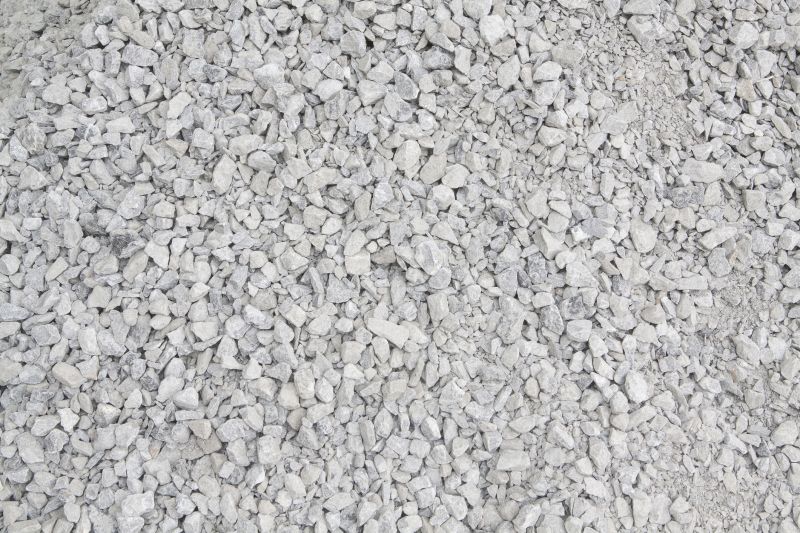
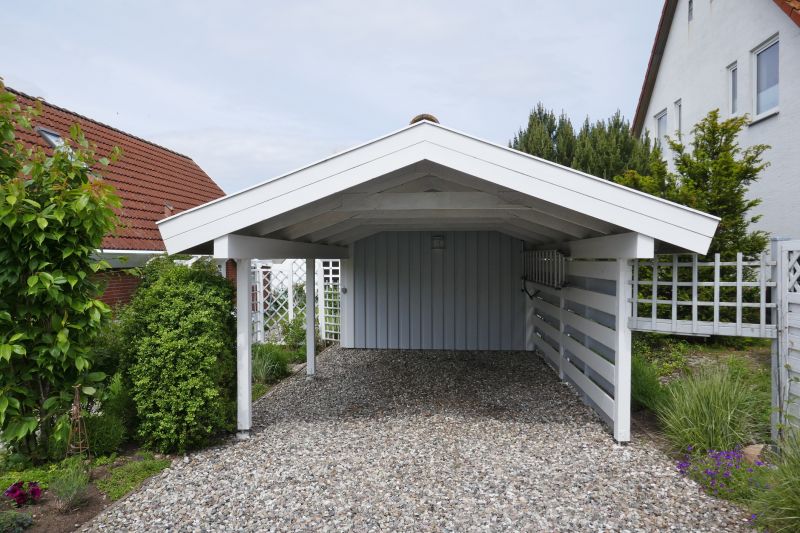
Gravel pad installation is often needed by property owners who are setting up new structures such as sheds, garages, or workshops. These projects require a stable, level surface to ensure proper support and prevent issues like shifting or sinking over time. Local contractors can provide the expertise to prepare the ground and lay down gravel that meets the specific needs of each project, helping property owners create a durable foundation for their outdoor additions.
Additionally, property owners might seek gravel pad services to improve drainage around their property or to create a cleaner, more organized outdoor space. Whether for parking areas, pathways, or storage zones, a properly installed gravel pad can help manage water runoff and reduce mud or erosion. Local service providers are available to handle these installations efficiently, offering solutions tailored to the unique conditions of each property.
What is a gravel pad installation? Gravel pad installation involves preparing a level base of gravel to support structures like sheds, decks, or other outdoor features, providing stability and drainage.
Who can handle gravel pad installation? Local contractors and service providers specializing in foundation or landscaping work can perform gravel pad installation services.
What factors should be considered before installing a gravel pad? Factors include the size and weight of the structure, soil conditions, drainage needs, and the desired level of durability.
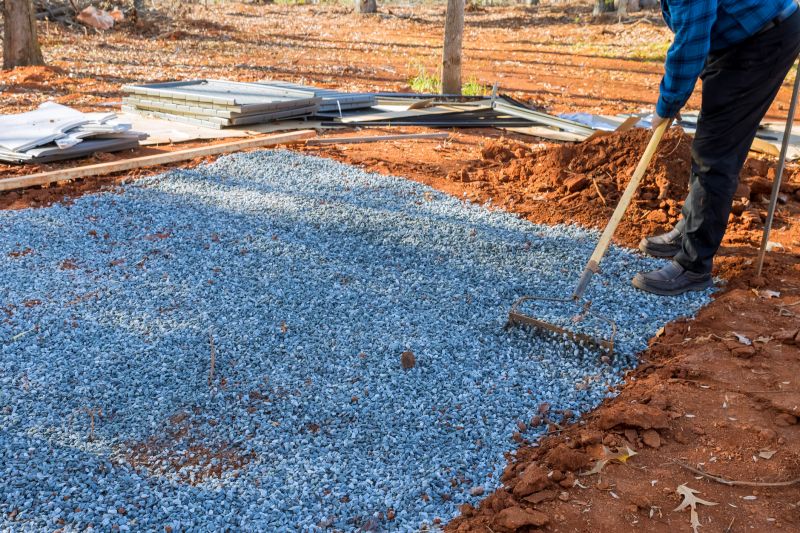
How is a gravel pad installed? Installation typically involves site clearing, leveling the ground, and spreading and compacting gravel to create a stable base.
Can gravel pads be customized for different applications? Yes, gravel pads can be tailored in size, thickness, and gravel type to suit various structures and site requirements.
Driveway Expansion - A gravel pad can be added to extend existing driveways, providing more space for parking or maneuvering vehicles. Local contractors can prepare a stable surface to support heavier loads and improve access.
Workshop or Storage Area - Installing a gravel pad creates a level foundation for outdoor workshops, sheds, or storage spaces on a property. Local service providers can help ensure the surface is durable and suitable for various structures.
Patio or Outdoor Seating - A gravel pad can serve as a base for outdoor patios or seating areas, enhancing usability and appearance. Local pros can prepare the ground to support outdoor furniture and foot traffic.
Garden or Planting Bed Base - Gravel pads can be used to create stable bases for garden beds, walkways, or decorative features. Local contractors can help design and install a surface that improves drainage and accessibility.
If you are thinking about Gravel Pad Installation for a property, this guide is meant to help you understand the work, the typical project types, and how different options might fit your plans.
When you are ready, you can use the quote form on this page to share a few details about your project. From there, local pros can review the basics and respond with options that match what you have in mind.