Acreage Clearing in Houston, TX
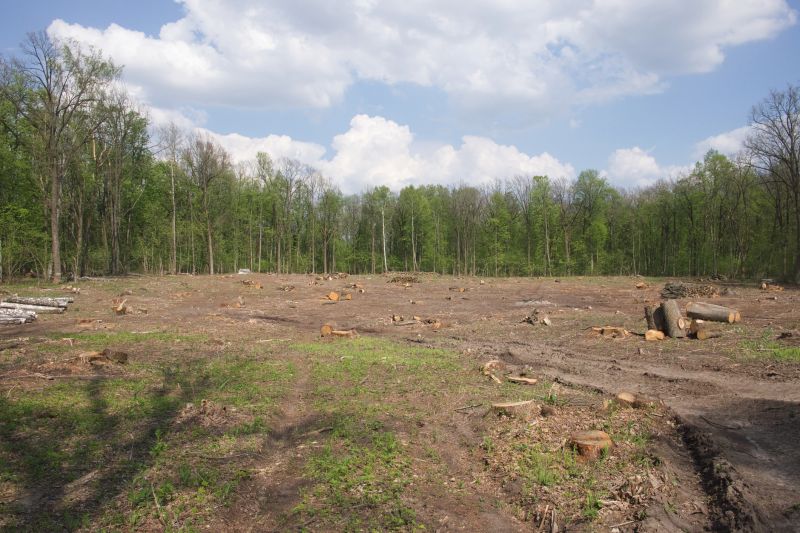
Acreage clearing services involve removing trees, brush, and other vegetation from large parcels of land to prepare the property for development, farming, or recreational use. These projects typically include the removal of unwanted growth, leveling the terrain, and creating open space suitable for building foundations, lawns, or agricultural activities. Property owners often seek this service to establish clear boundaries, improve accessibility, or facilitate future construction projects on rural or undeveloped land.
Before requesting acreage clearing, property owners should consider the size and current condition of the land, including any existing structures or protected vegetation that may require special handling. It is also helpful to understand local regulations regarding land clearing, permits needed, and potential environmental restrictions. Clarifying the scope of work, such as whether stumps, roots, or debris removal is included, can ensure the project meets specific needs and expectations.
Many property owners in Houston, TX look into Acreage Clearing for repairs, replacements, upgrades, and appearance-related improvements.
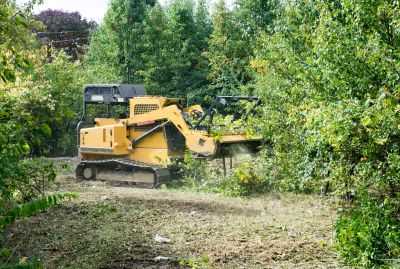
Site Preparation And Land Clearing
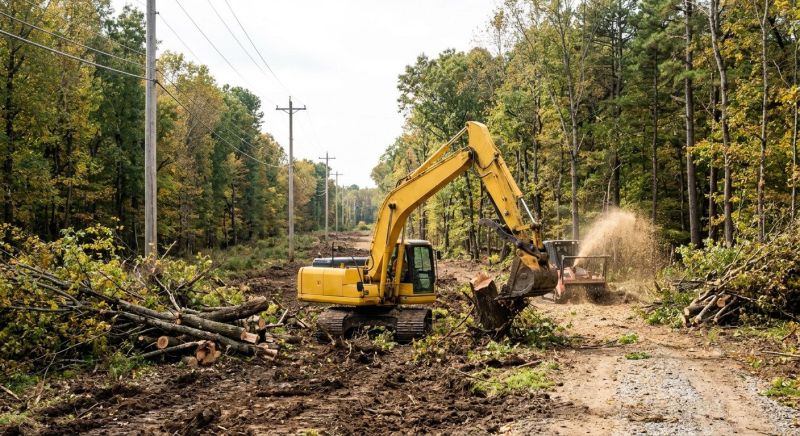
Acreage clearing prepares land for construction, farming, or development projects.
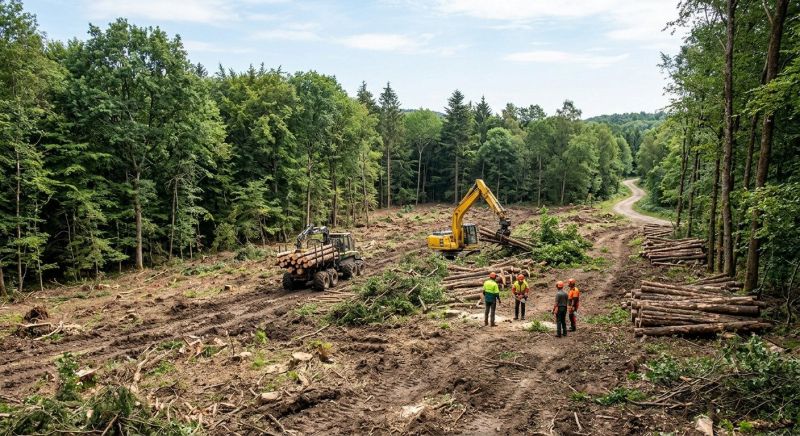
Vegetation And Brush Removal
Removing brush and overgrown vegetation helps improve land usability and safety.
Stump And Debris Removal
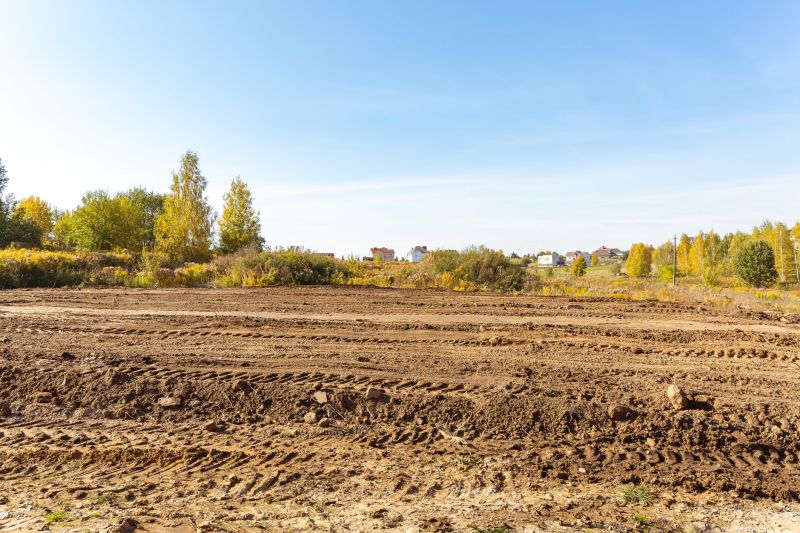
Clearing stumps and debris creates a clean, level area ready for future use.
Acreage Clearing in Houston, TX

Acreage clearing services involve removing trees, brush, and other vegetation from large parcels of land to prepare the property for development, farming, or recreational use. These projects typically include the removal of unwanted growth, leveling the terrain, and creating open space suitable for building foundations, lawns, or agricultural activities. Property owners often seek this service to establish clear boundaries, improve accessibility, or facilitate future construction projects on rural or undeveloped land.
Before requesting acreage clearing, property owners should consider the size and current condition of the land, including any existing structures or protected vegetation that may require special handling. It is also helpful to understand local regulations regarding land clearing, permits needed, and potential environmental restrictions. Clarifying the scope of work, such as whether stumps, roots, or debris removal is included, can ensure the project meets specific needs and expectations.
Many property owners in Houston, TX look into Acreage Clearing for repairs, replacements, upgrades, and appearance-related improvements.
Common Acreage Clearing Jobs
Brush clearing - removes overgrown vegetation to improve yard visibility and accessibility.
Tree removal - safely eliminates hazardous or unwanted trees to prevent property damage.
Stump grinding - grinds down tree stumps to create a smooth, level landscape.
Underbrush clearing - clears dense undergrowth to reduce fire risk and enhance property safety.
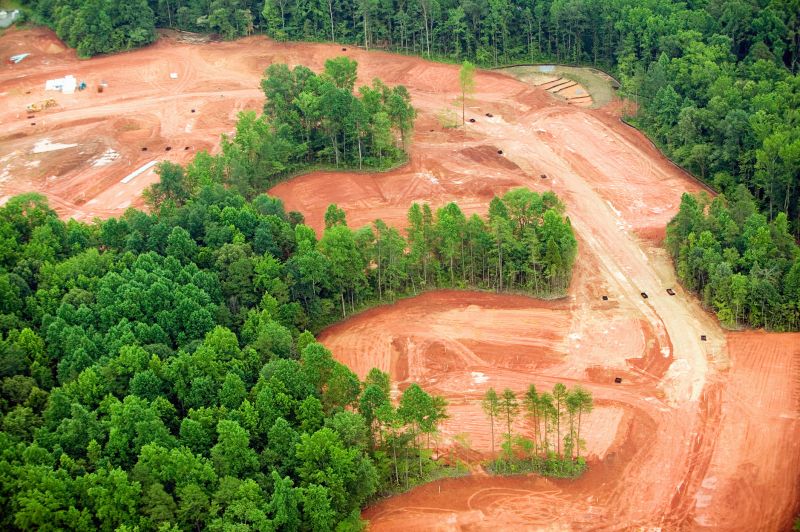
Lot preparation - prepares land for construction or landscaping by removing debris and unwanted growth.
Fence line clearing - clears vegetation along property boundaries to install or maintain fencing effectively.
Acreage Clearing Questions
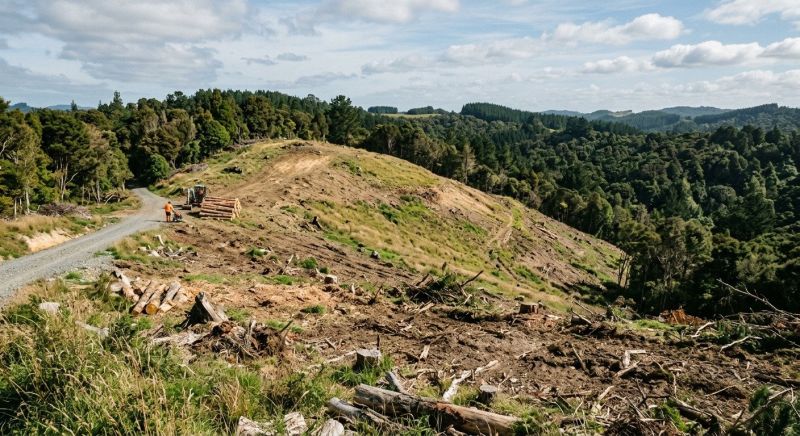
What types of land are suitable for acreage clearing? Acreage clearing is effective for various land types, including overgrown fields, wooded lots, and properties with dense brush or trees.
What equipment is used for acreage clearing? Heavy machinery such as bulldozers, excavators, and mulchers are commonly used to efficiently clear large areas.
Is acreage clearing necessary before development? Clearing is often a first step in preparing land for construction, farming, or landscaping projects.
What should property owners consider before acreage clearing? It's important to evaluate land features, access points, and any local regulations to ensure proper planning for clearing work.
Request Acreage Clearing in Houston, TX
Use the quote form on this page to share the basics of your project and request more information for the type of work you need.